Weather Pattern Correlations with Pricing Adjustments in Outdoor Athletic Fixtures and Speedway Circuits Across Leading Platforms
Blake Becker · Jul 11, 2026
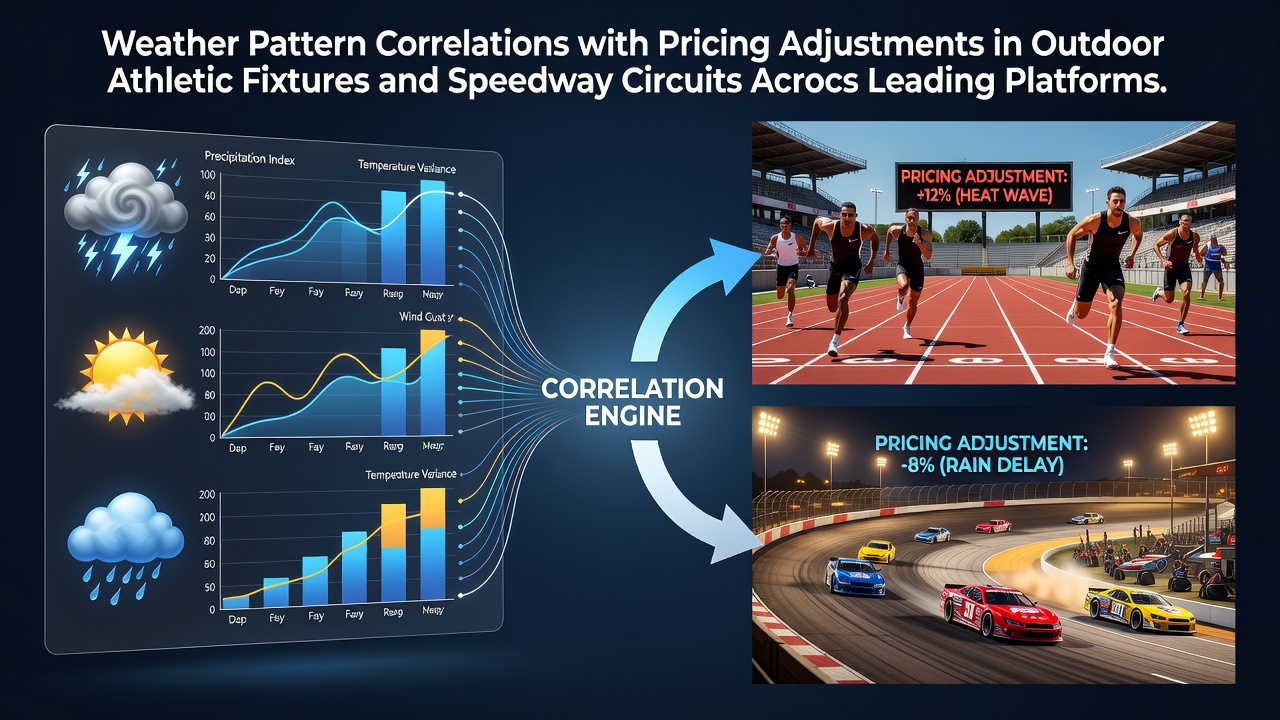
Weather Pattern Correlations with Pricing Adjustments in Outdoor Athletic Fixtures and Speedway Circuits Across Leading Platforms
Weather patterns exert measurable influence on pricing strategies for outdoor athletic fixtures and speedway circuits, where organizers and platforms apply data-driven adjustments to ticket tiers, concession rates, and operational surcharges. Temperature shifts, precipitation levels, and wind conditions correlate directly with attendance forecasts, and these correlations prompt revisions in dynamic pricing models across multiple regions. Research from meteorological agencies shows that rainfall exceeding 5 millimeters within a 24-hour window preceding an event often triggers price reductions of 10 to 25 percent on general admission tickets to maintain occupancy targets.
Precipitation Impacts on Athletic Event Pricing
Outdoor athletic meets scheduled during summer months demonstrate clear linkages between forecast precipitation and tiered pricing structures, particularly when events occur on exposed tracks and fields. Organizers monitor radar data from national weather services and recalibrate entry fees when models predict sustained showers, since such conditions reduce spectator turnout by documented margins. In July 2026 several European athletics competitions applied midday price adjustments after updated forecasts indicated afternoon thunderstorms, moving select seating categories from premium to standard rates within hours of gate opening. Those adjustments preserved overall revenue streams while avoiding empty sections that might otherwise appear during live broadcasts.
Temperature Variations and Speedway Circuit Adjustments
Speedway circuits, which rely on consistent track surfaces for motorcycle racing, respond to temperature fluctuations with distinct pricing mechanisms because heat and cold alter both rider performance expectations and spectator comfort. Data compiled by track operators indicate that ambient temperatures above 30 degrees Celsius correlate with increased demand for shaded grandstand seats, prompting platforms to raise premium zone prices by 15 to 20 percent while offering discounted general admission in uncovered areas. Conversely, cooler evenings below 15 degrees Celsius often coincide with bundled ticket packages that include heated viewing lounges, a strategy observed at multiple Australian and North American venues during shoulder seasons. These temperature-driven modifications appear in real-time booking interfaces where algorithms recalculate rates every 30 minutes based on updated meteorological inputs.
Wind and Humidity Factors Across Platforms
Wind speed and humidity levels introduce additional variables that leading platforms incorporate into their pricing engines for both athletic fixtures and speedway events. Sustained winds exceeding 40 kilometers per hour have been shown to delay starts or alter event formats, and organizers respond by activating contingency pricing that lowers early-bird rates to encourage advance commitments before conditions deteriorate. Humidity above 70 percent, meanwhile, correlates with higher concession markups on hydration products while simultaneously softening demand for extended-session tickets. Platforms serving international audiences integrate feeds from the European Centre for Medium-Range Weather Forecasts alongside regional bureaus to synchronize these adjustments across time zones, ensuring that users in different markets encounter localized price points that reflect local atmospheric conditions.
Regional Data Patterns and Platform Implementation
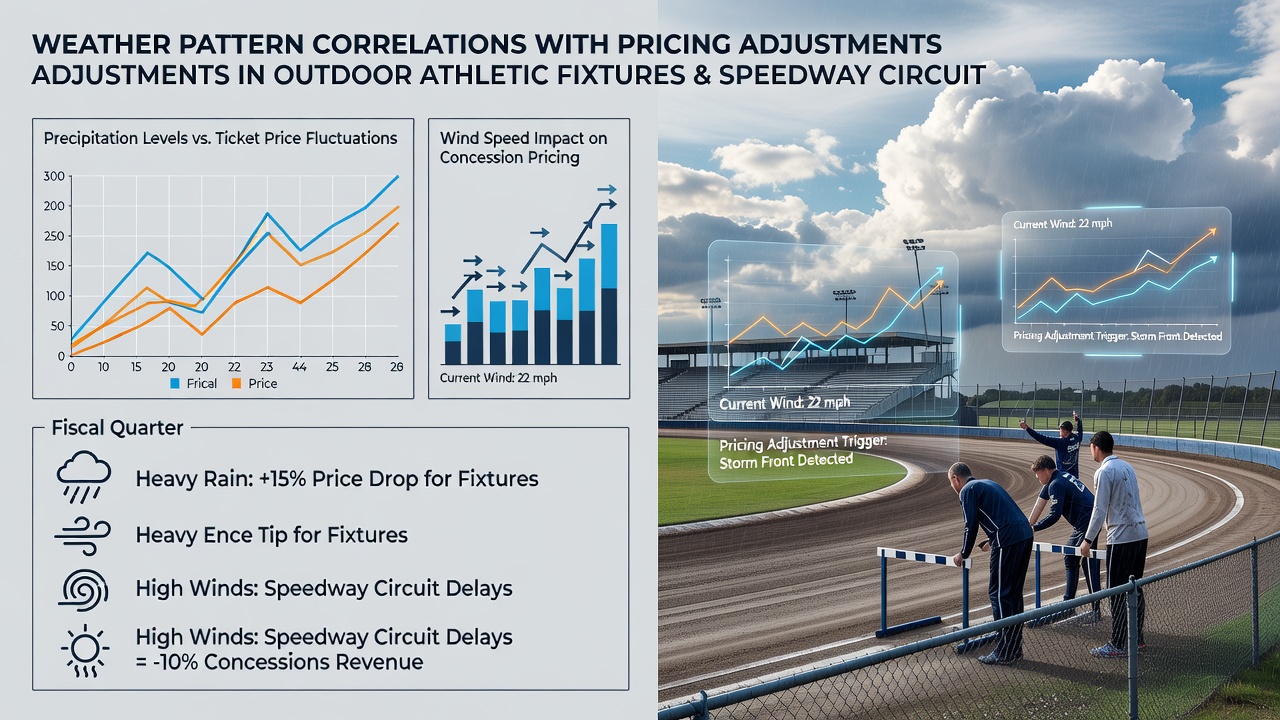
Studies conducted by academic institutions in North America and Oceania reveal geographic differences in how weather correlations translate into pricing actions. Venues in temperate climates apply more frequent micro-adjustments during transitional seasons, whereas facilities in consistently arid zones focus adjustments around rare precipitation events. One analysis of five consecutive seasons across 12 circuits found that platforms utilizing integrated weather APIs reduced revenue volatility by an average of 18 percent compared with static pricing schedules. Those platforms also report higher customer retention when price changes are communicated alongside transparent weather rationales rather than presented without context.
Operational Cost Pass-Through Mechanisms
Beyond ticket sales, weather patterns influence pricing adjustments for ancillary services such as parking, merchandise, and hospitality packages at both athletic meets and speedway events. Heavy rainfall increases grounds maintenance expenses, and operators recoup portions of those costs through modest surcharges applied to premium packages when forecasts indicate elevated risk. Platforms document these pass-throughs in itemized breakdowns so that purchasers understand the basis for incremental fees. In July 2026 several speedway promoters in Scandinavia introduced weather-contingent parking rates that fluctuated with soil saturation readings taken from on-site sensors, demonstrating how granular meteorological data now feeds directly into consumer-facing price displays.
Future Monitoring and Adjustment Trends
Continued refinement of predictive models allows platforms to anticipate weather impacts farther in advance, shifting from reactive price cuts to proactive tier allocations that balance expected demand across seating categories. Regulatory bodies in multiple jurisdictions encourage disclosure of weather-based pricing logic to maintain transparency for consumers, while industry associations compile anonymized datasets that help smaller venues adopt similar systems. Observers note that the integration of satellite imagery, ground sensors, and machine-learning algorithms is expanding the precision of these correlations, particularly for events spanning multiple days where cumulative weather effects compound attendance variables.
Conclusion
Weather pattern correlations with pricing adjustments in outdoor athletic fixtures and speedway circuits rest on verifiable linkages between atmospheric conditions and demand metrics, with platforms applying structured revisions to maintain financial equilibrium. Temperature, precipitation, wind, and humidity each contribute distinct variables that appear in algorithmic outputs used by leading operators. As monitoring technologies advance and regional datasets accumulate, these correlations are expected to underpin increasingly sophisticated pricing frameworks that respond in real time to environmental inputs while preserving accessibility across diverse spectator bases.