Unpacking Synchronization Between Promotional Timelines and Event Volatility in Multi-Discipline Wagering Platforms
Noah Keller · Aug 15, 2026
Unpacking Synchronization Between Promotional Timelines and Event Volatility in Multi-Discipline Wagering Platforms
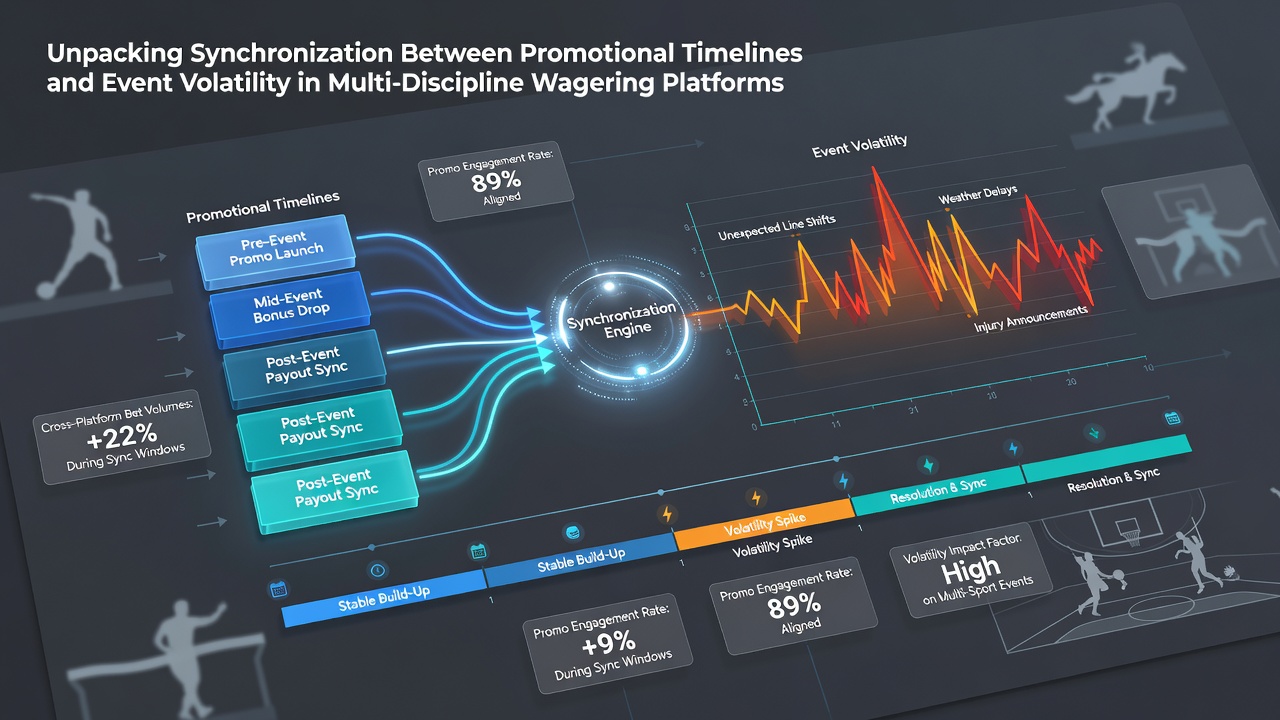
Multi-discipline wagering platforms coordinate promotional timelines with periods of heightened event volatility to manage user engagement across sports such as football, tennis, basketball, cricket, and horse racing. This coordination involves aligning bonus releases, free bet windows, and accumulator boosts with moments when odds shift rapidly due to in-game developments like comebacks, weather changes, or injury updates.
Core Elements of Promotional Timelines
Promotional timelines on these platforms follow structured calendars that platforms release weeks or months in advance, covering welcome bonuses, reload offers, and event-specific incentives. Data from industry reports shows that operators time these activations around predictable volatility spikes, such as the start of major tournaments or the final stages of races. For instance, a platform might activate a tennis tiebreak bonus during grand slam quarterfinals when serve percentages create sharp odds movements, while simultaneously running a horse racing each-way enhancement for tracks with soft ground conditions that increase non-runner risks.
Event Volatility Patterns Across Disciplines
Event volatility manifests differently in each sport, creating distinct synchronization challenges for platforms. In basketball, quarter-by-quarter scoring runs generate frequent odds adjustments, whereas cricket overs can see sudden wicket clusters that alter match totals. Researchers at academic institutions tracking betting markets note that platforms monitor these patterns using real-time data feeds to decide when to layer promotions without exposing themselves to excessive liability. According to figures from the Australian Institute of Criminology, volatility in multi-sport events rose notably between 2023 and 2025, prompting operators to refine their timing strategies for the seasons leading into August 2026.
Mechanisms for Synchronization
Platforms employ algorithmic tools that cross-reference historical odds movement data with upcoming promotional schedules. These systems flag periods where high volatility coincides with bonus availability, allowing automated adjustments such as capping stake limits on certain accumulators or extending cash-out windows during volatile phases. Observers in the sector point out that successful synchronization reduces the frequency of voided bets triggered by suspensions or abandonments, while maintaining user activity across disciplines. One study from a Canadian research group highlighted how platforms in regulated markets use these tools to align reload bonuses with NBA playoff quarters and Test match sessions that feature rapid score fluctuations.
Regional Regulatory Influences on Timing
Regulatory frameworks in various jurisdictions shape how platforms synchronize these elements. The European Gaming and Betting Association has documented cases where operators in EU member states must publish promotional terms at least 48 hours before activation, which affects their ability to respond to sudden volatility spikes. In contrast, frameworks in parts of North America allow more flexible real-time adjustments provided operators maintain audit trails. Platforms operating across borders therefore maintain separate timelines for different regions, ensuring compliance while capitalizing on volatility windows in football injury time or tennis retirements.
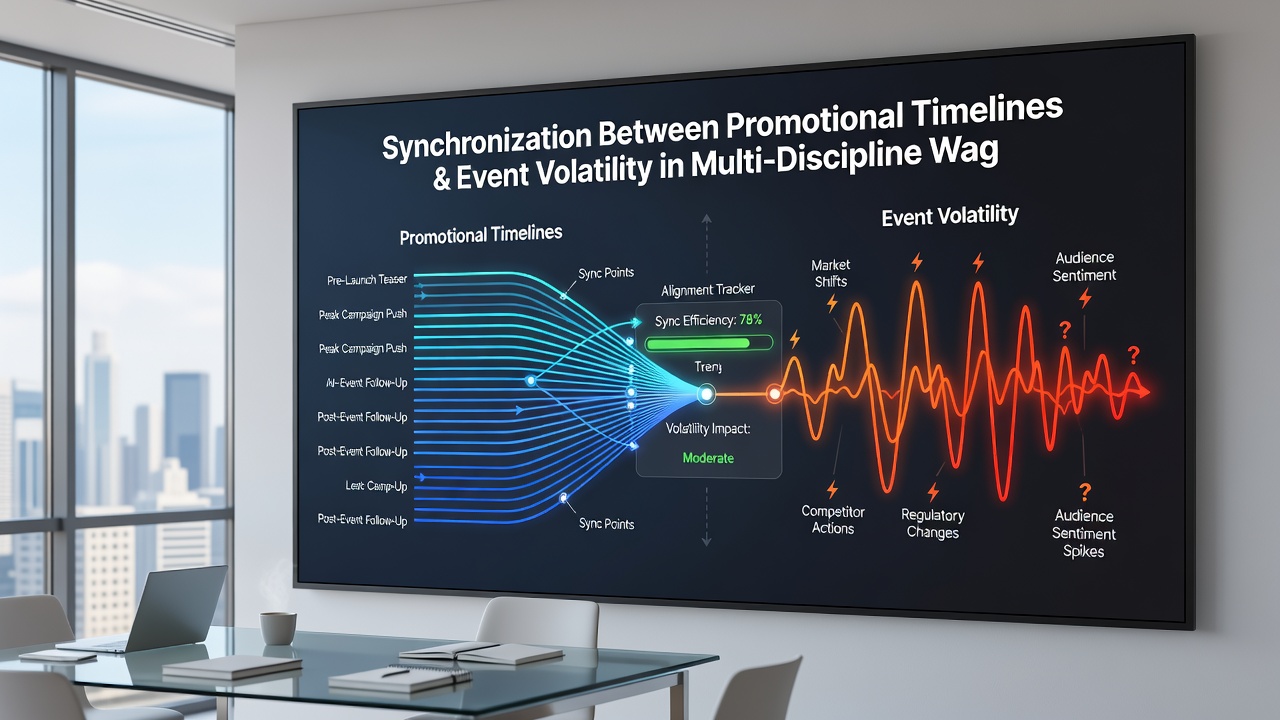
Platforms also integrate external data sources, such as weather models for horse racing and pitch condition reports for cricket, to anticipate volatility. This integration allows them to pre-load promotions that activate automatically when certain thresholds are met, for example, triggering a basketball rebound prop boost after a high foul count in the third quarter.
Practical Examples from Platform Operations
Take one operator that coordinates its August schedule around the overlap of Premier League pre-season friendlies and late-summer horse racing festivals. The platform releases accumulator perks that activate only when both football injury-time markets and steeplechase each-way bets show elevated volatility readings. Another example involves platforms that pair tennis over/under promotions with cricket Duckworth-Lewis scenarios, using the same bonus pool for users who engage with both disciplines during overlapping broadcast windows. These approaches demonstrate how synchronization extends beyond single-sport events into cross-discipline strategies.
Technical Infrastructure Supporting Alignment
Backend systems on major platforms incorporate volatility indexes that update every few seconds, feeding directly into promotional engines. When an index exceeds a predefined level during a basketball comeback or a football red-card incident, the system can release pre-approved bonus codes or adjust accumulator multipliers without manual intervention. Industry data indicates that platforms investing in this infrastructure experience fewer instances of mismatched promotions that fail to engage users during actual volatility peaks. As August 2026 approaches, several operators have announced upgrades to these systems to handle increased cross-sport traffic expected during overlapping international calendars.
Conclusion
Synchronization between promotional timelines and event volatility requires platforms to balance regulatory requirements, technical capabilities, and sport-specific data patterns. Platforms that achieve effective alignment maintain consistent activity levels across football, tennis, basketball, cricket, and horse racing while managing risk exposure. Continued development of these mechanisms will shape operations in the periods surrounding August 2026 and beyond, as operators refine their approaches based on performance metrics and evolving market conditions.