Tracing Seasonal Scheduling Shifts and Their Ties to Customized Platform Incentives Across Team and Individual Athletic Events
Freya Hansen · Jun 13, 2026
Tracing Seasonal Scheduling Shifts and Their Ties to Customized Platform Incentives Across Team and Individual Athletic Events
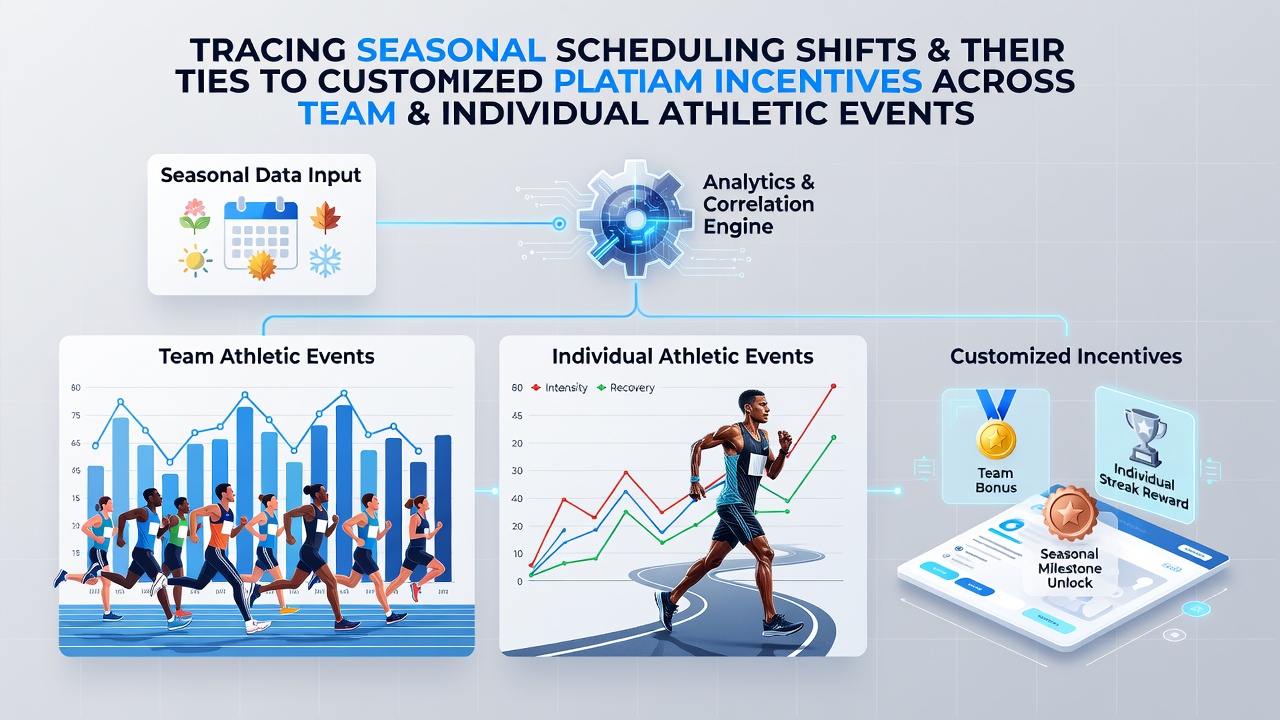
Seasonal scheduling shifts occur regularly across major sports calendars as leagues and governing bodies adjust dates to accommodate weather patterns, venue availability, and international tournaments, while digital platforms respond with tailored incentive structures that differ markedly between team-based competitions and individual athletic events. These adjustments create distinct operational frameworks where team sports such as football and basketball often see compressed winter schedules in northern hemispheres, whereas individual disciplines like tennis and athletics stretch across multiple climate zones throughout teh year.
Understanding Core Scheduling Patterns
Team events typically follow fixed seasonal blocks that align with academic years or national holidays, yet individual sports maintain more fluid timelines that allow athletes to compete in both hemispheres without fixed league obligations. Data from international sports federations shows that these patterns have remained consistent over the past decade, although disruptions from global events continue to force recalibrations. In June 2026 the expanded FIFA World Cup will occupy a significant portion of the North American summer calendar, prompting many domestic leagues to advance or delay fixtures to avoid direct overlap with national team commitments.
Platform Responses to Calendar Changes
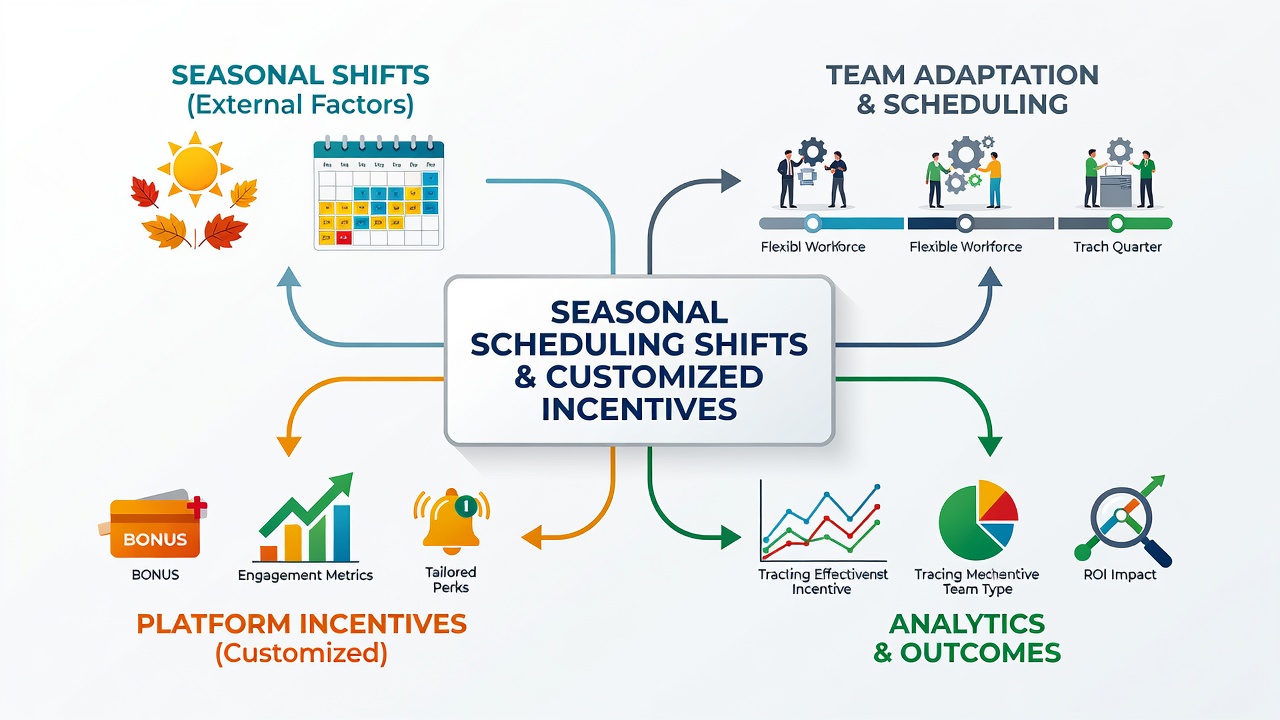
Digital platforms that manage registrations, performance tracking, and athlete engagement adapt their incentive models when schedules shift, offering customized rewards that reflect the unique demands of collective versus solo participation. Team platforms frequently emphasize group milestones such as collective training hours or match attendance streaks, while individual-focused systems prioritize personal metrics including recovery times, ranking improvements, and qualification targets. Observers note that these differences emerge clearly when seasons compress, forcing platforms to recalibrate bonus structures and notification systems to maintain engagement across both categories.
Team Sports Incentive Structures
During periods of schedule consolidation, team platforms often introduce shared reward pools tied to squad performance thresholds, with examples drawn from European basketball leagues that bundle travel stipends and equipment credits when multiple away fixtures occur within short windows. Researchers tracking these systems have documented how collective incentives help maintain roster cohesion when travel demands increase, particularly in North American college conferences that must navigate both conference play and postseason tournaments simultaneously.
Individual Athlete Platform Adaptations
Individual event platforms instead deploy modular incentive layers that athletes can activate based on their personal competition density, with examples including flexible entry-fee credits during high-density summer circuits in athletics and tennis. These systems allow competitors to select reward tiers that align with specific tournament clusters rather than requiring participation across an entire league slate, a flexibility that becomes especially relevant when athletes cross between indoor and outdoor seasons within the same calendar quarter.
Regional Variations and Data Trends
Geographic differences further shape how platforms customize offerings, with Australian governing bodies reporting distinct patterns compared to European counterparts because of reversed seasonal cycles. Studies conducted by the Australian Institute of Sport have examined how these reversals affect incentive uptake, revealing that individual athletes in southern hemisphere summer circuits often receive performance-based micro-rewards, whereas team environments favor bulk subscription discounts for entire clubs. Similar analyses from Canadian university research groups indicate that winter schedule extensions in hockey and basketball correlate with higher redemption rates for recovery-focused incentives such as physiotherapy credits and nutrition planning tools.
Integration of Major Events in 2026
The approach of the 2026 FIFA World Cup creates a concrete case study for how platforms anticipate and respond to scheduling compression across both team and individual domains. Domestic football leagues in participating nations have already begun publishing adjusted fixture lists, while athletics and tennis calendars incorporate additional recovery windows to accommodate athletes who may also serve national team roles. Platform operators have started previewing updated incentive menus that blend team-based qualification bonuses with individual performance multipliers, ensuring athletes receive appropriate recognition regardless of whether they compete primarily within squads or as solo entrants.
Long-Term Implications for Platform Design
Over multiple seasons, these recurring shifts have driven platforms toward more granular data segmentation that distinguishes between team coordination needs and individual autonomy requirements. Evidence from industry reports compiled by the International Olympic Committee shows consistent growth in hybrid incentive models that allow crossover functionality, particularly when athletes transition between team and individual events within a single competitive year. Those who monitor platform analytics observe that successful customization hinges on real-time schedule feeds rather than static seasonal templates, enabling timely adjustments when tournaments such as the 2026 World Cup force last-minute rescheduling.
Conclusion
Seasonal scheduling shifts continue to influence how digital platforms structure incentives, producing measurable differences in reward architecture between team and individual athletic events. As calendars adapt to accommodate events like the 2026 FIFA World Cup, the capacity of these platforms to deliver context-specific support remains tied to their ability to process schedule data accurately and respond with differentiated offerings that respect the distinct operational realities of collective and solo competition formats.