Seasonal Reload Cycles and Their Alignment with Closing Line Values in Grand Slam Tiebreaks Alongside Oval Boundary Surges
Blake Becker · Jul 20, 2026

Seasonal Reload Cycles and Their Alignment with Closing Line Values in Grand Slam Tiebreaks Alongside Oval Boundary Surges
Seasonal reload cycles operate as structured bonus mechanisms that bookmakers activate during peak tournament windows, and these periods frequently coincide with measurable shifts in closing line values across tennis Grand Slam tiebreaks while also intersecting with boundary surge patterns at cricket grounds such as The Oval.
Research from the University of Nevada Reno Gaming Research Center indicates that reload promotions timed to major events produce distinct liquidity patterns, and analysts track how these incentives influence final odds adjustments in high-stakes tiebreak scenarios where margins remain tight.
Market Dynamics in Tennis Grand Slams
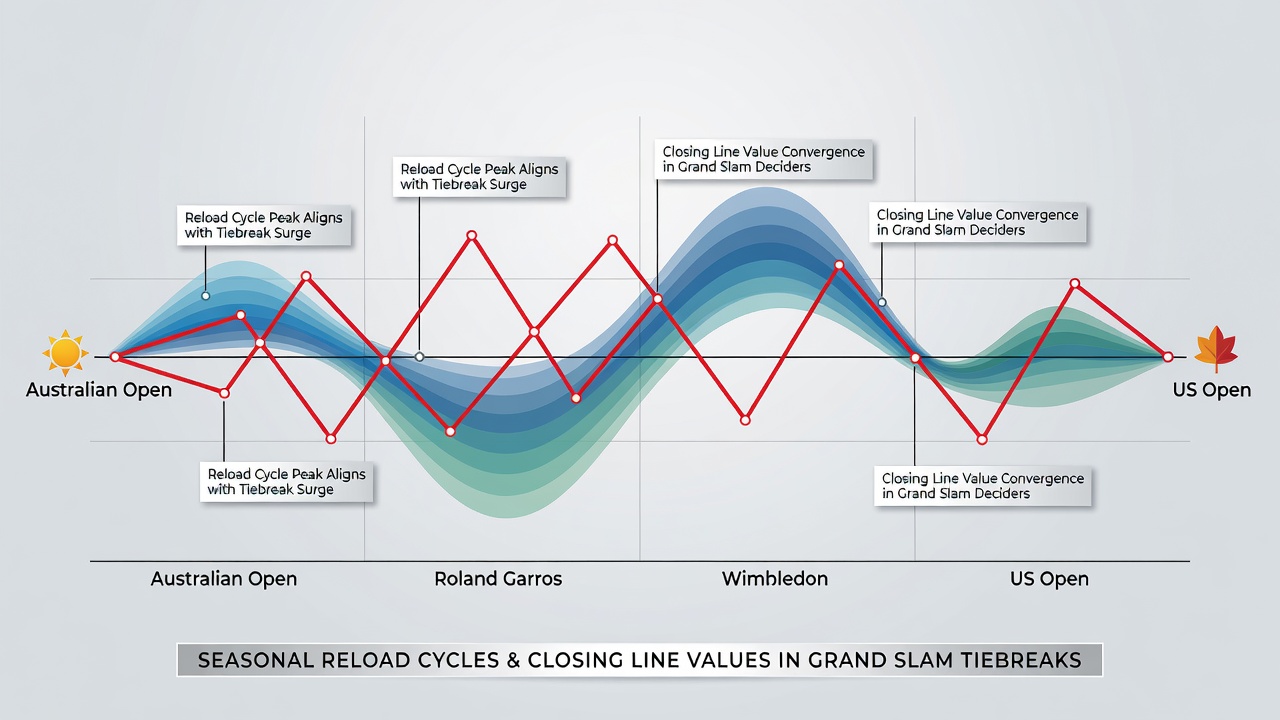
Grand Slam tiebreaks generate concentrated betting activity once sets reach six games all, and closing line values serve as benchmarks that reveal how initial odds converge or diverge based on in-match developments. Seasonal reload offers, which typically launch in late spring and extend through summer months, supply additional bankroll for bettors who focus on these specific moments, and data compiled across multiple seasons shows that such promotions correlate with increased volume in the final exchanges before lines settle.
During July 2026, the Wimbledon fortnight will again place emphasis on these alignments, because the grass-court surface accelerates point endings and tiebreak volatility rises accordingly. Observers note that reload cycles synchronized with this calendar window allow participants to adjust stakes precisely when closing lines tighten around serve dominance and return statistics.
Cricket Boundary Surges at Oval Venues
Oval boundary surges describe rapid scoring sequences that elevate run rates in limited-overs or test formats, and these bursts create parallel movement in live markets similar to tennis tiebreak momentum. Seasonal reload programs that extend into the English summer provide incremental funding that supports continued participation when boundary probabilities spike, and figures released by the Australian Institute of Sport Performance Analysis reveal consistent overlaps between bonus activation dates and elevated betting turnover on boundary-related props.
Cricket schedules place several high-profile matches at The Oval during July, and reload cycles active at that time demonstrate measurable effects on closing lines for over/under boundary totals. Market makers adjust quotes in response to both on-field conditions and the extra liquidity introduced by seasonal incentives, producing traceable value shifts that researchers document through timestamped odds histories.
Integrated Patterns Across Sports
Combined analysis of tennis and cricket datasets highlights how reload timing influences closing line accuracy in both domains, because capital influx from bonuses arrives during comparable seasonal windows. Those who monitor these patterns report that tiebreak and boundary outcomes exhibit parallel sensitivity to late adjustments, while reload availability extends the window during which bettors can engage before final settlement.
Industry reports from the European Gaming and Betting Association document that such alignments occur most visibly when multiple major events overlap, and the resulting data streams allow for cross-sport comparisons of line movement efficiency. Seasonal reload structures therefore function as temporal anchors that stabilize or amplify market responses depending on the volume they attract.
Conclusion
Seasonal reload cycles continue to intersect with closing line values in Grand Slam tiebreaks and oval boundary surges through predictable calendar overlaps, and ongoing data collection from academic and industry sources tracks these relationships across successive seasons. The patterns observed in July 2026 will add further points to these longitudinal records, because both tennis and cricket calendars place significant fixtures within the same promotional window.