Seasonal Climate Shifts and Their Effects on Line Movements Across Outdoor Competitions in Soccer Leagues, Racetrack Circuits, and Court Events with Layered Operator Incentives
Blake Becker · Aug 10, 2026
Seasonal Climate Shifts and Their Effects on Line Movements Across Outdoor Competitions in Soccer Leagues, Racetrack Circuits, and Court Events with Layered Operator Incentives
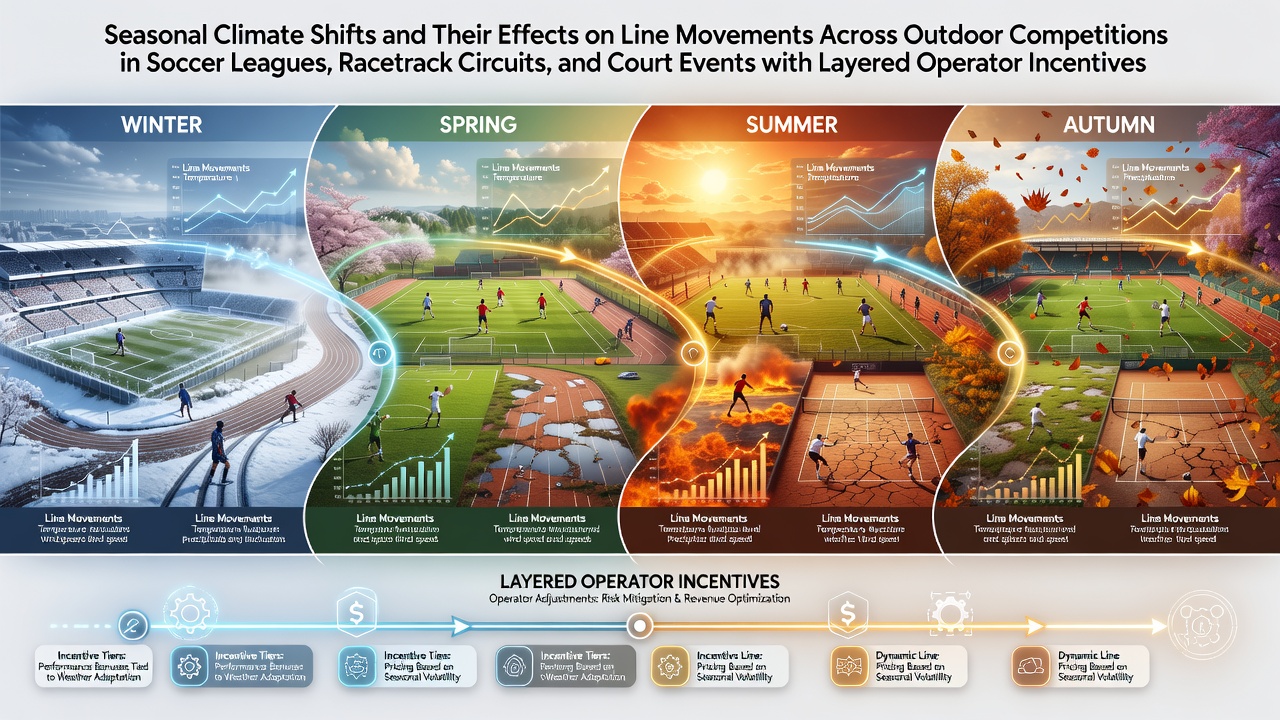
Seasonal climate shifts influence outdoor competitions across soccer leagues, racetrack circuits, and court events by altering playing conditions, player performance metrics, and ultimately the movement of betting lines as operators respond with adjusted odds and layered incentives. In August 2026, meteorological data from agencies such as the National Oceanic and Atmospheric Administration and the European Environment Agency show elevated temperatures and variable precipitation patterns affecting major events in Europe, North America, and Australia. These changes prompt operators to recalibrate lines based on historical performance records tied to weather variables while introducing targeted promotions that account for weather-related variables in match outcomes.
Climate Patterns in Soccer Leagues
Soccer leagues operating in summer months experience heat-related impacts on player endurance and ball movement, which data from the Australian Bureau of Meteorology links to higher instances of slower pace and increased substitution rates. In August 2026, leagues such as the English Premier League preseason fixtures and Major League Soccer summer schedules face elevated heat indices that correlate with reduced goal tallies in afternoon matches. Operators track these patterns through statistical models and adjust over/under lines downward while offering layered incentives like enhanced accumulator bonuses on matches scheduled during cooler evening windows. Research from university sports science departments indicates that teams in regions with consistent August humidity see a measurable dip in high-intensity runs, prompting line shifts that reflect lower expected scoring volumes.
Racetrack Circuits and Weather Variables
Racetrack circuits respond to seasonal shifts through changes in track surfaces and horse recovery times, factors documented in reports from the United States Department of Agriculture and Canadian meteorological services. Summer heat in 2026 accelerates track drying on turf circuits in Europe and North America, which historical data associates with faster finishing times and altered favorite probabilities. Operators adjust win-place-show lines accordingly and layer incentives such as each-way enhancements during periods of forecast rainfall that could soften ground conditions. Observers note that circuits in Australia and the southern hemisphere experience opposite seasonal effects in August, where cooler temperatures stabilize track speeds and lead to tighter spreads in exotic betting markets.
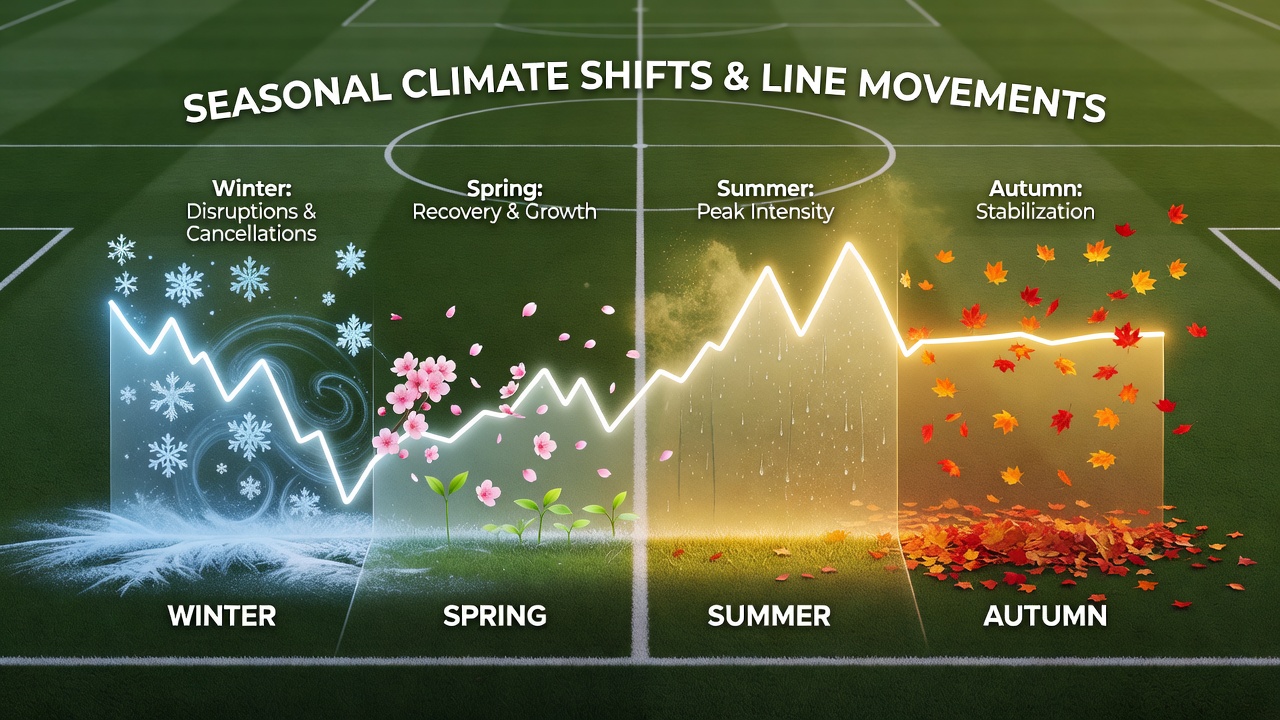
These adjustments create cascading effects where initial line movements attract bettors toward weather-contingent wagers, and operators respond with time-limited incentives tied to specific climate forecasts released by regional weather services.
Court Events and Temperature Influences
Court events in tennis and basketball face direct exposure to temperature and humidity fluctuations that affect ball bounce, player hydration, and rally lengths according to studies from the International Tennis Federation and academic research institutions. In August 2026, events such as the US Open hard courts and European summer tennis festivals encounter peak heat conditions that extend match durations and increase retirement risks, data that operators incorporate into set and game total lines. Layered incentives appear in the form of refund promotions on matches suspended by extreme weather alerts issued by national meteorological offices. Basketball outdoor tournaments scheduled during the same period show parallel patterns, with higher ambient temperatures correlating to elevated three-point attempt rates and corresponding adjustments in player prop lines.
Operator Responses and Incentive Structures
Operators integrate climate forecasts into real-time modeling systems that trigger line movements when precipitation or temperature thresholds are crossed. Figures from industry reports reveal that August periods see increased activity in weather-linked markets across soccer, racing, and court sports, with operators deploying incentives such as boosted odds on underdog selections during high-heat warnings or cashback offers on events impacted by sudden storms. These structures maintain market balance while directing attention toward competitions most sensitive to seasonal variables, and data from multiple regulatory jurisdictions show consistent patterns of line volatility tied to verified weather events rather than random fluctuations.
Conclusion
Seasonal climate shifts continue to shape line movements in outdoor competitions by supplying quantifiable inputs that operators use to refine odds and structure layered incentives across soccer leagues, racetrack circuits, and court events. Records from 2026 demonstrate how agencies in varied regions supply the foundational data that connects temperature, precipitation, and surface conditions to performance outcomes and subsequent market adjustments. This integration of environmental information with betting frameworks produces predictable responses that participants monitor through established statistical channels.