Platform Synergies in Managing Dynamic Reward Pools for Premier Athletic Encounters and Gaming Tables
Freya Hansen · Jul 30, 2026

Platform Synergies in Managing Dynamic Reward Pools for Premier Athletic Encounters and Gaming Tables
Platform synergies emerge when operators connect separate systems for sports betting and casino table operations so reward pools adjust in real time based on player activity across both channels. Data from industry reports shows that integrated architectures allow operators to move funds between pools tied to athletic encounters and table game sessions without manual intervention. Observers note that such connections reduce latency in reward calculations during peak periods when multiple events run simultaneously.
Core Components of Dynamic Reward Pool Management
Dynamic reward pools rely on algorithms that recalculate contribution rates and payout thresholds according to live participation metrics. Researchers have documented how these systems pull data from betting interfaces and table game terminals into a shared ledger. The process involves continuous monitoring of wager volumes, player retention patterns, and event-specific triggers that automatically shift pool balances. Those who have studied similar implementations report that the underlying software layers often use API gateways to maintain consistency across different regulatory jurisdictions.
Operators apply these mechanisms to premier athletic encounters by linking reward pools to specific match outcomes or tournament stages. For instance, a pool tied to a major tennis final can receive incremental contributions from table game play at partnered venues. Evidence from operational audits indicates that this cross-channel funding increases pool stability during quieter periods between high-profile sports fixtures.
Integration Across Athletic Encounters and Table Games
Premier athletic encounters generate concentrated betting traffic that operators route through the same reward infrastructure used for table games. Blackjack and roulette sessions feed into pools that later support bonuses for basketball or football markets. Studies conducted by European research groups found that unified databases cut reconciliation errors by measurable margins when compared with siloed platforms. Those who manage multi-channel operations observe that real-time synchronization prevents over-allocation when sudden surges occur in either sports or table segments.
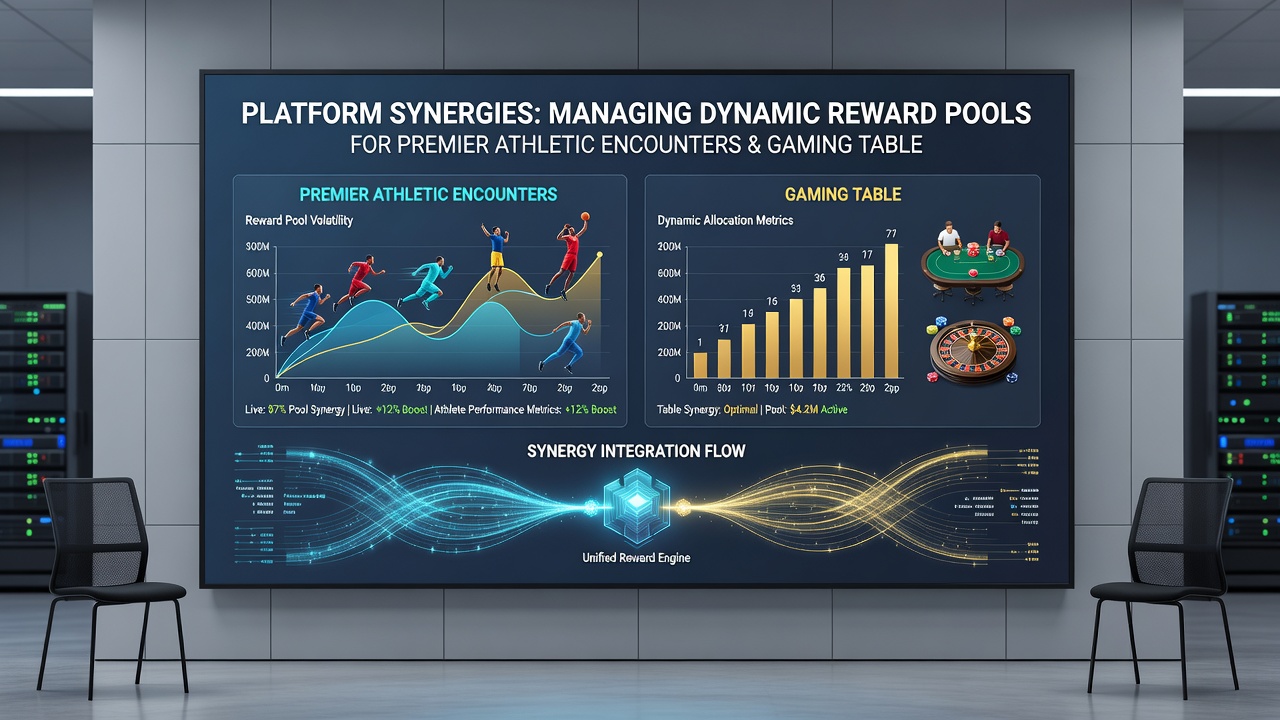
Table game terminals transmit session data at regular intervals while sports platforms update after each market settlement. The combined stream feeds decision engines that decide whether to accelerate or pause contributions to a given pool. In July 2026, several major European operators plan to test enhanced versions of these engines during overlapping tennis and football calendars. The tests aim to measure how quickly pools respond when one channel experiences unexpected volume spikes.
Regulatory and Technical Considerations
Regulatory frameworks in multiple regions require clear audit trails for any movement of funds between reward pools. The Malta Gaming Authority publishes guidelines that emphasize segregation of player funds while permitting operational synergies under controlled conditions. Similar requirements appear in documentation from the Nevada Gaming Control Board, which focuses on transaction logging and independent verification procedures. Operators therefore design their integration layers with built-in reporting modules that export standardized records for each jurisdiction.
Technical teams achieve these reporting standards by maintaining parallel data streams that feed both operational dashboards and compliance databases. According to findings from the European Gaming and Betting Association, platforms that adopt modular API designs experience fewer compliance delays during cross-border pool adjustments. The same report notes that such architectures support scalability when new table game variants or additional sports markets enter the system.
Operational Examples in Practice
One documented case involves an operator that linked its European sports betting platform with table game operations in a separate licensing region. The connection allowed a pool originally funded by roulette play to supplement rewards offered on select tennis matches. Internal metrics shared in industry briefings showed reduced variance in payout timing across both product lines. Another implementation connected harness racing markets with poker room activity, demonstrating that the same pool management rules apply regardless of the underlying event type.
These examples illustrate how synergy reduces the need for separate promotional budgets. Instead, a single pool draws contributions from whichever channel shows higher activity at any moment. Data compiled by academic researchers at institutions studying gaming economics confirms that this approach maintains player engagement levels during transitional periods between major athletic calendars and regular table game schedules.
Conclusion
Platform synergies in reward pool management continue to evolve through tighter integration of sports and table game systems. Evidence from regulatory filings and operational reports indicates that shared architectures deliver measurable improvements in pool stability and administrative efficiency. As operators prepare for events scheduled in July 2026, further refinements in data synchronization and compliance reporting are expected to shape the next phase of these systems.