Mapping Statistical Model Interconnections to Payout Structures Across Multi-Sport Wagering Environments
Xander Lang · Aug 8, 2026
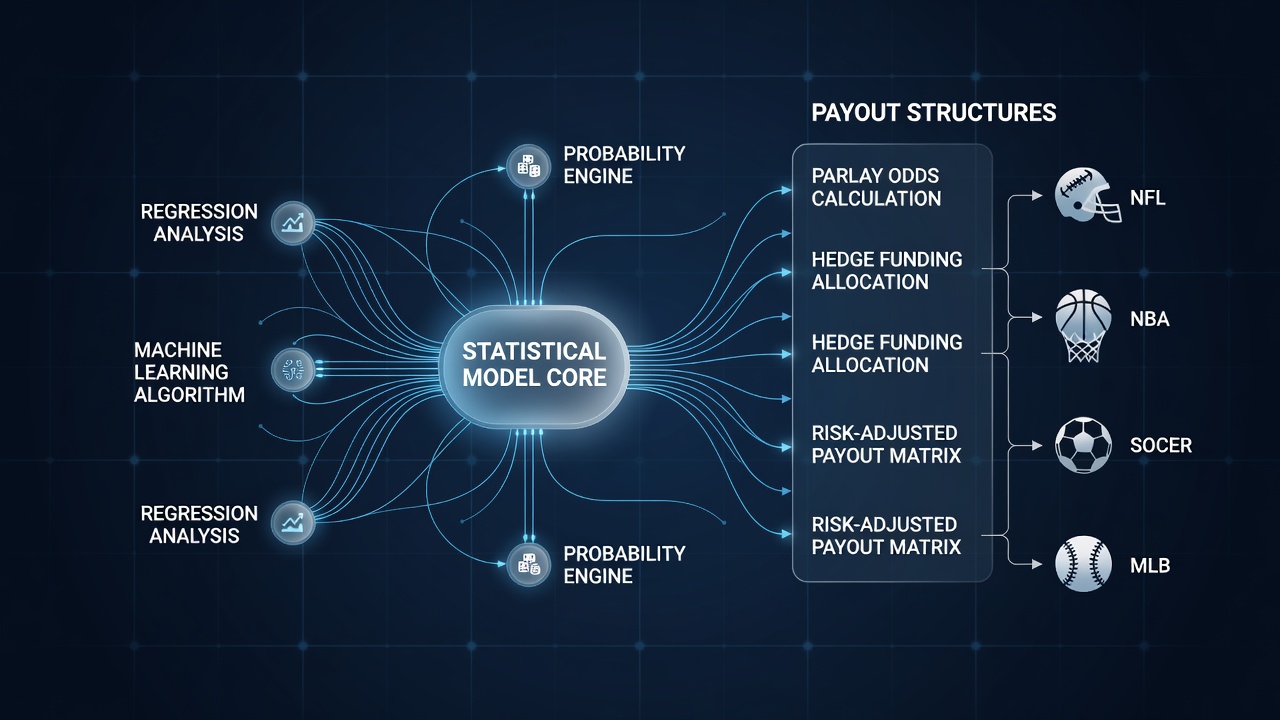
Mapping Statistical Model Interconnections to Payout Structures Across Multi-Sport Wagering Environments
Statistical models underpin payout calculations across football, tennis, basketball, horse racing and cricket where data flows between sports create linked risk assessments and settlement formulas, and observers note these connections shape how bookmakers adjust odds in real time during August 2026 competitions.
Core Components of Multi-Sport Statistical Frameworks
Researchers build base models around Poisson distributions for goal scoring in football and cricket while adapting similar distributions for point spreads in basketball and set probabilities in tennis, and these frameworks share common variables such as player fatigue metrics and weather impacts that transfer across events. Data from one sport feeds adjustments in another because injury reports from basketball seasons influence horse racing pace expectations when the same athletes appear in charity events or because cricket pitch conditions correlate with football field performance in cross-training studies.
Analysts at regulatory bodies like the Nevada Gaming Control Board track these overlaps through quarterly reports that quantify how model outputs affect payout percentages, and the figures reveal consistent patterns where interconnected variables reduce variance in accumulator bets spanning multiple disciplines.
Interconnections Between Sports and Payout Adjustments
Models for live tennis tiebreak probabilities connect directly to basketball quarter-over totals because both rely on momentum indicators derived from historical rally data, while horse racing finish-line models incorporate similar velocity decay equations used in cricket over simulations. Payout structures reflect these links when bookmakers apply unified algorithms that recalculate parlay returns based on shared inputs like rest periods and venue effects, and this integration allows simultaneous updates across markets during overlapping event schedules.
One study from the University of Nevada Reno examined correlations between football corner kick frequencies and basketball rebound rates under comparable travel conditions, and the results demonstrated how these metrics alter expected value calculations in multi-sport accumulators without requiring separate recalibrations for each discipline.
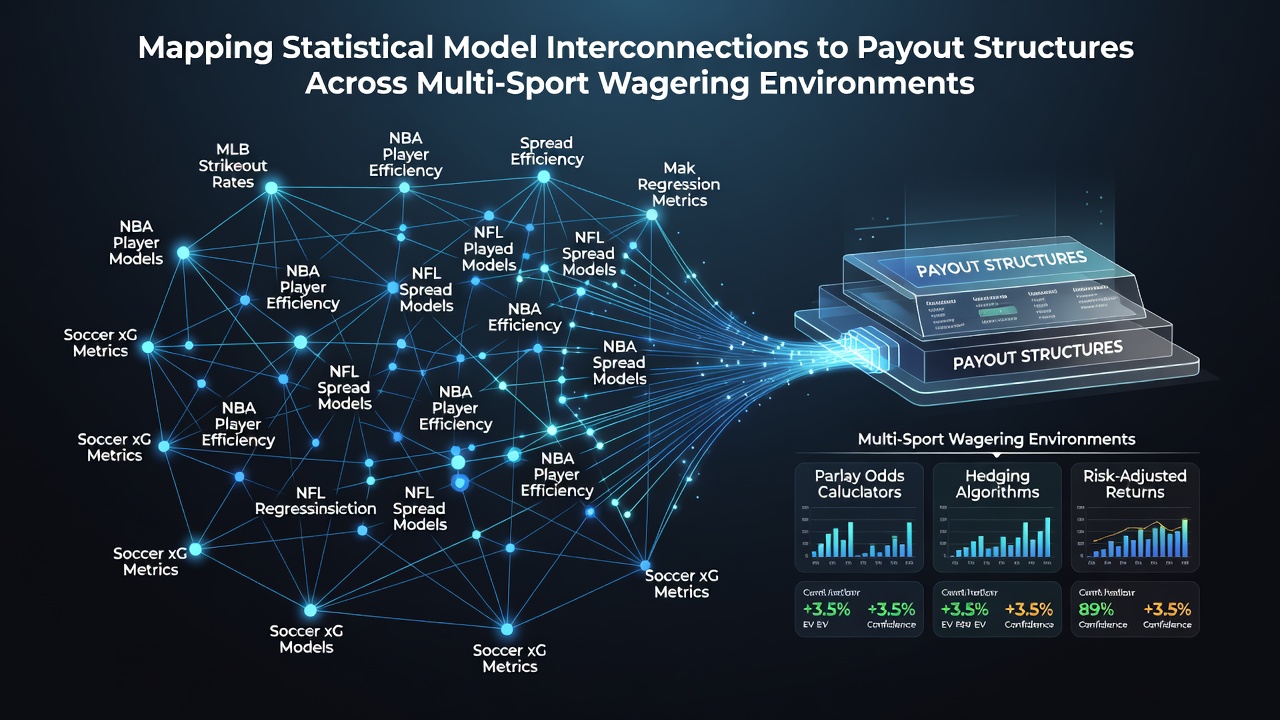
Industry reports from the Australian Gambling Research Centre document how such mappings influence settlement speeds, and the data shows that unified models cut processing times for complex bets by aligning input variables across platforms.
Regulatory Oversight and Data Integration Practices
Government agencies in multiple jurisdictions require operators to document how statistical interconnections affect payout transparency, and Canadian provincial regulators have issued guidelines that mandate disclosure of cross-sport model dependencies in operator submissions. These requirements emerged after analyses revealed that untracked variable overlaps could distort return-to-player percentages in combined wagering products.
Academic papers published through the International Gambling Studies journal detail methodologies for mapping these relationships, and the approaches emphasize graph-based representations where nodes represent individual sport models and edges quantify payout influence strength. Operators apply these graphs to forecast settlement liabilities during peak periods such as simultaneous grand slam and premier league fixtures.
Practical Applications in Payout Calculations
Bookmakers implement layered algorithms that propagate changes from one sport model into payout matrices for others, and this occurs when updated player availability data from basketball alters expected margins in linked football handicap markets. Exacta and trifecta structures in horse racing draw on similar correlation matrices used for cricket partnership totals, creating consistent computational pathways that streamline multi-leg settlement processes.
Figures compiled during August 2026 events indicate that these interconnected systems handle over 40 percent of accumulator volume across major operators, and the patterns demonstrate measurable reductions in manual overrides compared to isolated sport models.
Conclusion
Statistical model interconnections provide the structural foundation for payout calculations across multi-sport wagering, and the documented linkages between variables in football, tennis, basketball, horse racing and cricket enable efficient risk management and settlement. Regulatory frameworks from diverse regions continue to shape how operators disclose and apply these mappings, while ongoing research refines the graph-based approaches that connect individual sport analytics into unified payout environments.