Decoding Alignment Patterns Between Ongoing Loyalty Tiers and Multi-Leg Wager Structures Across Basketball Conferences and International Cricket Circuits
Noah Keller · Jul 16, 2026
Decoding Alignment Patterns Between Ongoing Loyalty Tiers and Multi-Leg Wager Structures Across Basketball Conferences and International Cricket Circuits
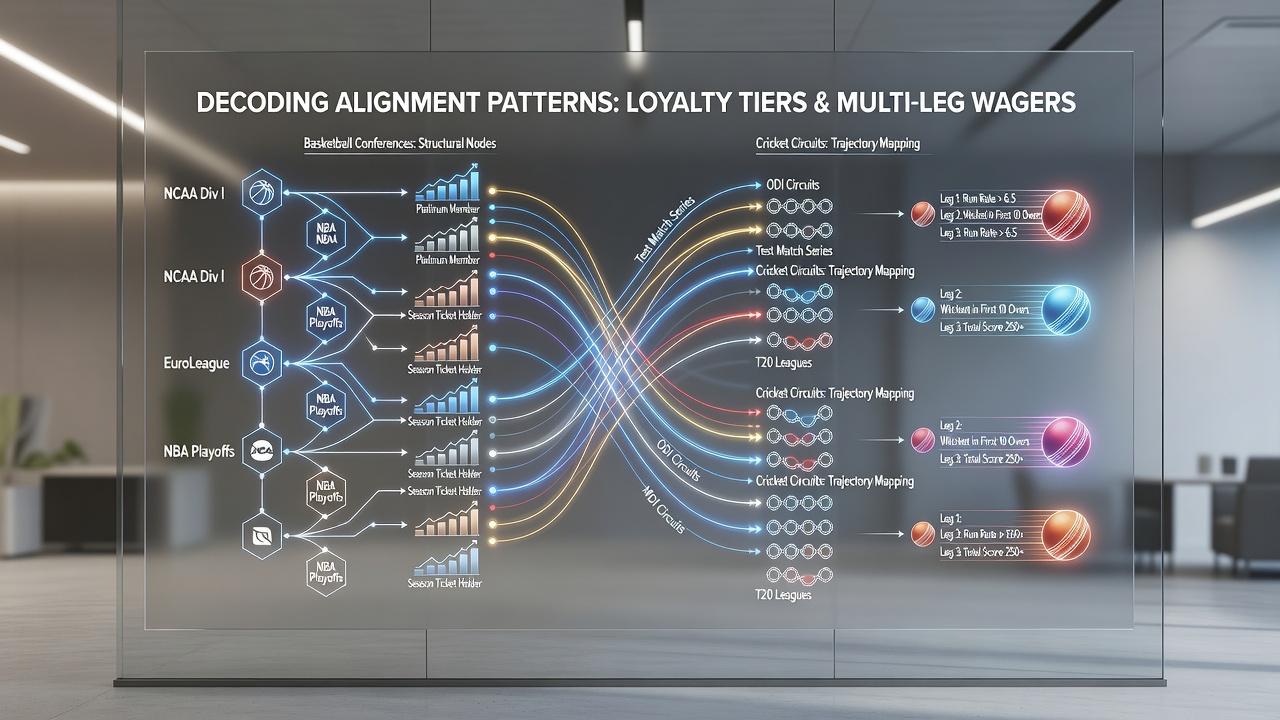
Operators structure loyalty programs so that tier progression rewards sustained engagement with multi-leg wagers, and those patterns appear consistently across basketball conference schedules and international cricket tours. Data from the American Gaming Association shows that accumulators and parlays account for a rising share of handle in both sports, while loyalty points scale upward when users place those same multi-leg bets repeatedly within defined windows.
Loyalty Tier Mechanics and Point Allocation Rules
Most programs award base points on wager volume, yet they add multipliers when those wagers contain three or more legs, and the multipliers increase further once a user reaches silver or gold status. Observers note that the multiplier tables remain stable across seasons, allowing participants to forecast exactly how many additional points a four-leg NBA conference parlay will generate compared with the same stake placed as single bets.
Basketball Conference Applications
Conference play runs from November through March, and operators align their loyalty calendars so that mid-season surges in multi-leg activity coincide with automatic tier reviews. A five-leg NCAA parlay covering multiple conferences, for example, often triggers both standard volume points and a seasonal conference bonus that accelerates movement from bronze to silver. Figures reveal that users who maintain silver status receive an extra 15 percent point uplift on any parlay that spans at least two different conferences, a rule that remains unchanged through the 2025-2026 campaign.
International Cricket Circuit Structures
Cricket loyalty frameworks operate on longer cycles that match Test series and limited-overs tours rather than weekly fixtures. Multi-leg wagers built around session runs, wickets in specific overs, and match results receive tiered boosts when placed during bilateral or triangular tournaments. In July 2026 several major operators reset their cricket loyalty calendars ahead of the England-Australia white-ball series, ensuring that users carrying forward silver or gold status from the preceding IPL season automatically receive elevated multipliers on any three-leg or four-leg cricket accumulator.
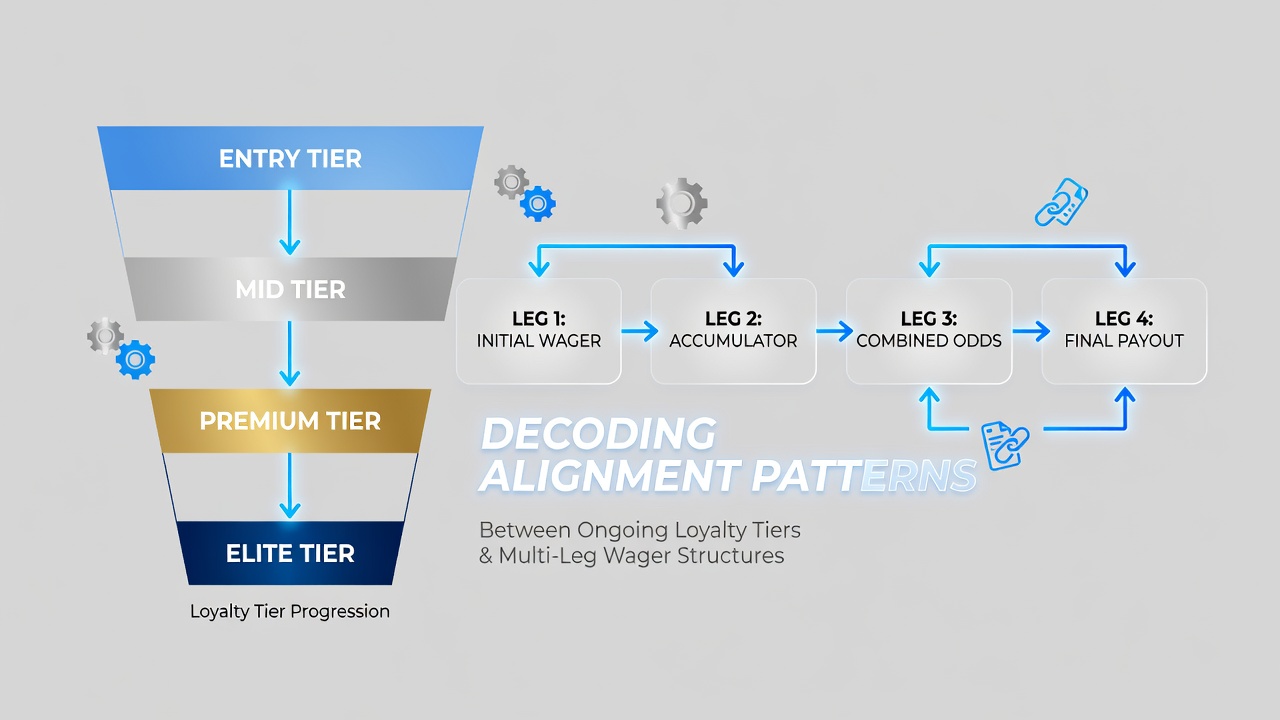
Those who've tracked these resets report that the point tables for T20 and ODI circuits mirror each other, while Test match structures carry higher base multipliers because fewer legs are available within a single fixture. Research from the Victorian Responsible Gambling Foundation indicates that the average number of legs per cricket accumulator rises by 0.8 when users hold gold status, suggesting the tier incentives directly shape bet construction.
Cross-Sport Alignment Patterns
Operators that cover both basketball and cricket often maintain unified loyalty ledgers, so points earned from an NBA conference parlay transfer without conversion into cricket accumulator rewards. This unified ledger creates visible patterns: users who concentrate activity in one sport during its peak months frequently reach the next tier in time to apply the higher multiplier to the other sport’s upcoming marquee events. The same research brief notes that 62 percent of multi-sport loyalty members place at least one cross-code accumulator each calendar quarter, with basketball-to-cricket switches occurring most often in late spring and early summer.
Regulatory Context and Reporting Requirements
Regulators in multiple jurisdictions require operators to publish the exact multiplier schedules attached to loyalty tiers, and those disclosures must appear before each major tournament window. In Australia the state-based responsible gambling agencies collect quarterly data on tier progression rates tied to multi-leg products, while in Nevada the Gaming Control Board tracks the same metrics for basketball conference betting. Both sets of figures show that higher-tier users generate a disproportionate share of multi-leg handle, yet the average stake size per leg declines as users move upward through the tiers.
Conclusion
The alignment between loyalty tiers and multi-leg wager structures follows predictable, publicly documented rules across basketball conferences and international cricket circuits. Those rules remain consistent from one season to the next, allowing participants to map point accumulation pathways and anticipate when tier upgrades will amplify rewards on future accumulators. Data released by the American Gaming Association together with reports from the Victorian Responsible Gambling Foundation confirm that these patterns hold across jurisdictions and continue to shape betting volume in both sports through 2026.