Charting Overlap Windows: Aligning Seasonal Calendars for Cross-Continent Events in Team Sports and Individual Races with Operator Incentives
Freya Hansen · Jul 23, 2026
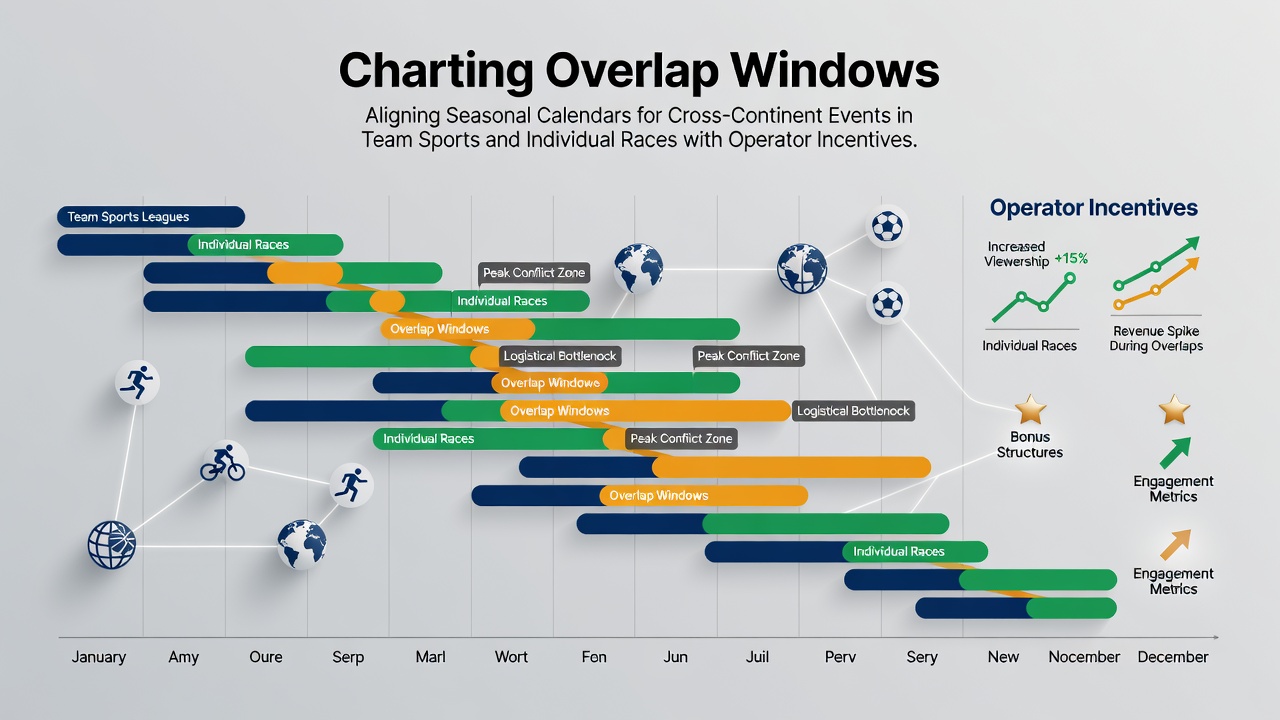
Charting Overlap Windows: Aligning Seasonal Calendars for Cross-Continent Events in Team Sports and Individual Races with Operator Incentives
Seasonal calendars in global sports create distinct overlap windows where events from different continents run simultaneously, and operators adjust incentive structures to match these periods. Research from sports scheduling databases shows that July often brings together Wimbledon tennis, Tour de France cycling stages, Major League Baseball games across North America, and winter racing fixtures in Australia and South Africa. Those alignments matter because participants in one region finish their primary seasons while others begin key competitions, creating concentrated periods of activity that span multiple time zones.
Mapping Calendar Alignments Across Regions
European football leagues typically conclude in May, yet pre-season tours and international tournaments begin in July, overlapping with ongoing baseball schedules in the United States and Canada. At the same time, horse racing circuits in the Southern Hemisphere enter their peak winter months, with meetings in Australia and New Zealand drawing fields that attract international betting interest. Data from international sports federations indicates these windows recur annually, with July 2026 expected to feature similar patterns as prior years, including potential Davis Cup tennis ties and additional cycling grand tours that cross multiple continents.
Observers track these overlaps through centralized calendars maintained by governing bodies, which list start and end dates for leagues, tours, and championships. One study published by a European sports management research group found that cross-continent overlaps increased by 12 percent between 2018 and 2024, driven largely by expanded broadcasting rights and travel logistics that allow athletes to compete in consecutive events on different continents. The same analysis noted that individual sports such as tennis and cycling produce more frequent overlaps than team sports because their calendars feature fewer fixed home venues.
Operator Incentive Structures During Overlap Periods
Betting operators respond to these calendar overlaps by timing promotional offers around simultaneous events, including enhanced odds on combined markets that pair outcomes from European tennis with North American baseball results. Figures released by industry analysts show that incentive volumes rise during July windows compared with single-sport months, as operators seek to capture interest from users following multiple competitions. Those incentives often include deposit matches tied to specific event packages, cashback on multi-leg accumulators, and loyalty points earned across different sport categories.
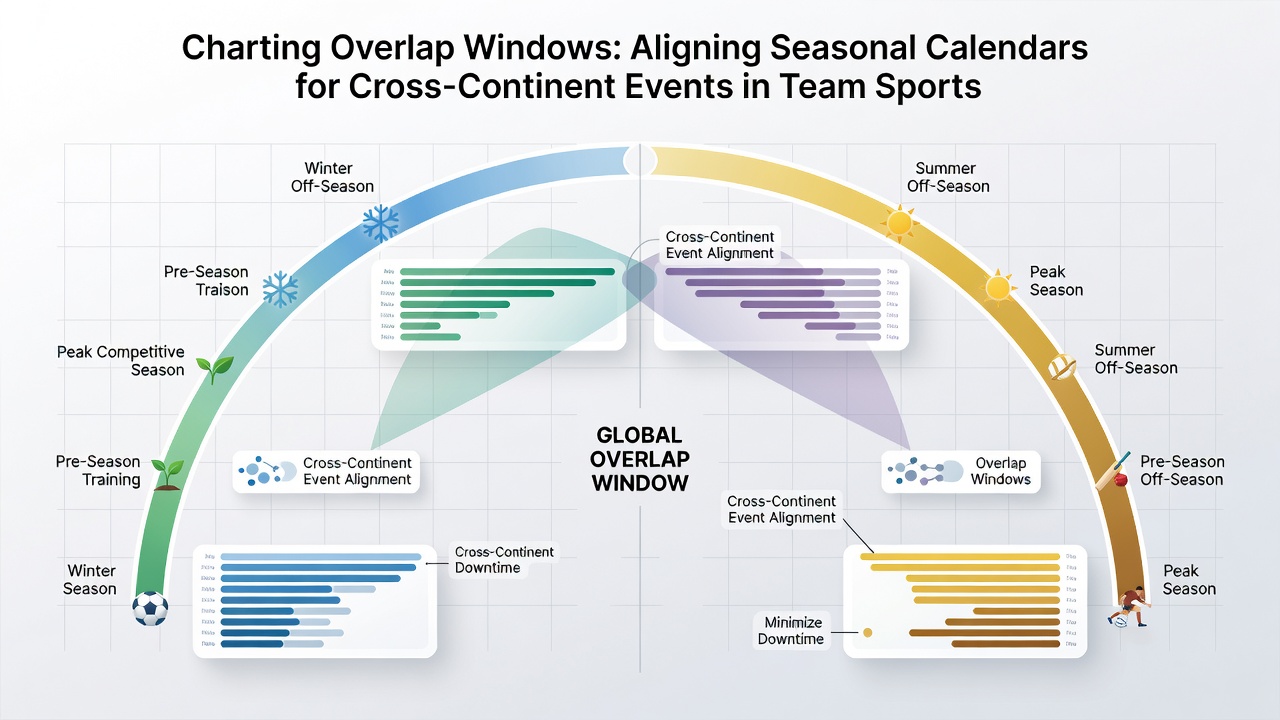
Regulatory filings from Australian wagering authorities document how operators must publish terms for these promotions in advance, ensuring transparency around qualifying events and payout conditions. Similar requirements appear in Canadian provincial frameworks, where operators align bonus structures with both domestic baseball seasons and international tennis calendars. The result is a coordinated approach where incentives reflect the actual timing of cross-continent activity rather than arbitrary marketing schedules.
Impact on Team Sports Versus Individual Events
Team sports such as basketball and football generate overlap windows mainly during international breaks or off-season tournaments, whereas individual races in cycling and athletics produce steadier calendar intersections. Research conducted by a North American university sports economics department reveals that individual event overlaps allow operators to offer narrower incentive windows, often lasting only a few days, because results conclude quickly and create immediate follow-on markets. Team sport overlaps, by contrast, extend over weeks and support longer-running promotions that accumulate across multiple matches.
Those who monitor these patterns note that July 2026 will likely feature additional overlap from expanded women's football tournaments alongside traditional baseball all-star breaks, adding further complexity to incentive planning. Operators use historical data on participation rates during prior July periods to forecast which markets will see the highest engagement when calendars align.
Conclusion
Seasonal calendar overlaps between team sports and individual races across continents shape how operators structure incentives, with July serving as a recurring focal point. Data from multiple regulatory and academic sources confirms that these alignments drive measurable changes in promotional activity, and continued expansion of global sports schedules suggests the pattern will persist into future years. Accurate charting of these windows enables precise timing of operator offers while remaining compliant with regional requirements.