Calendar-Driven Incentive Alignments Across Global Athletic Cycles and Platform Timelines
Xander Lang · Jun 6, 2026
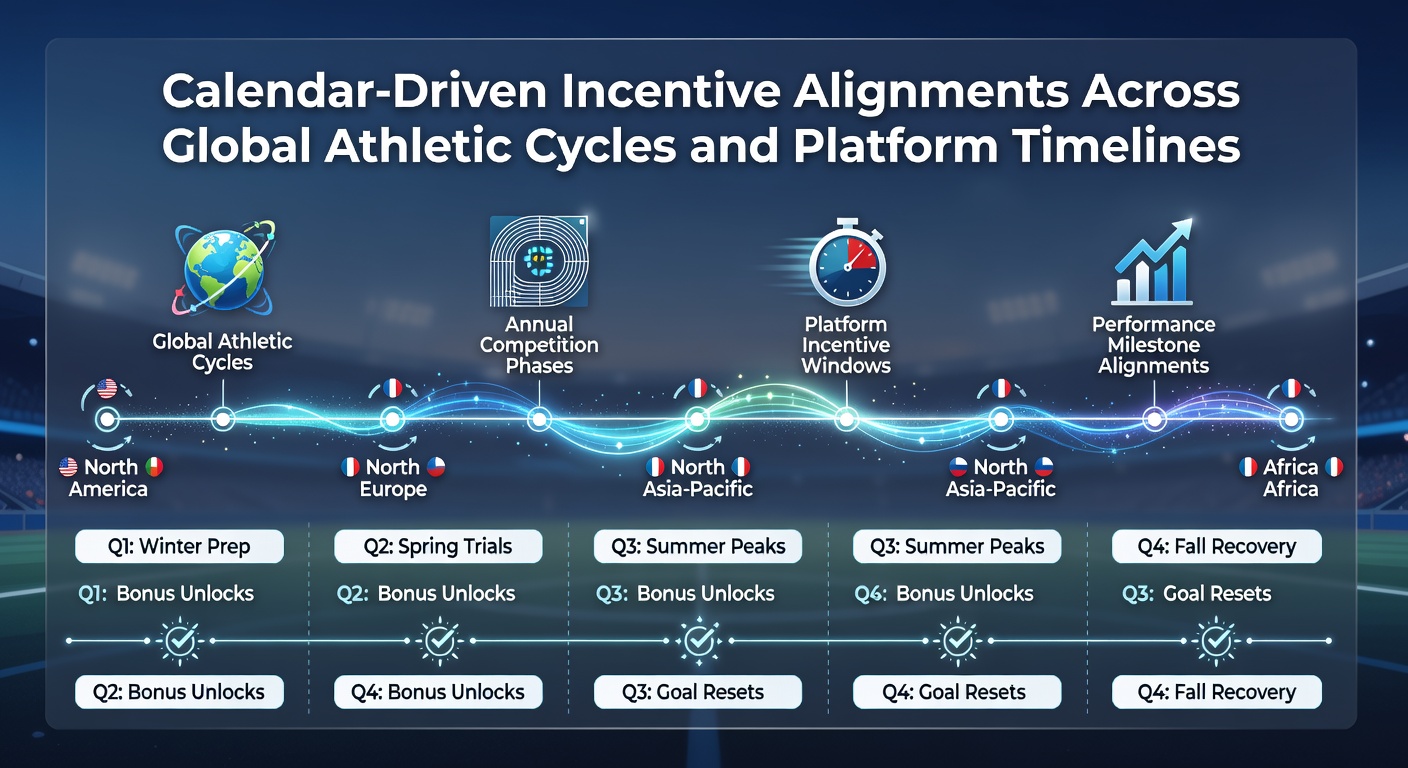
Calendar-Driven Incentive Alignments Across Global Athletic Cycles and Platform Timelines
Global athletic calendars shape how incentives flow through sports ecosystems, while platform operators adjust release windows, content deals, and revenue shares to match peak audience periods. Major events create concentrated windows of attention, and governing bodies design payment structures, sponsorship tiers, and qualification bonuses that activate precisely when those windows open. Researchers tracking multi-year cycles note that federations time athlete support packages, prize pools, and development grants around predictable sequences of championships, qualifiers, and off-seasons.
Structure of Athletic Cycles and Incentive Triggers
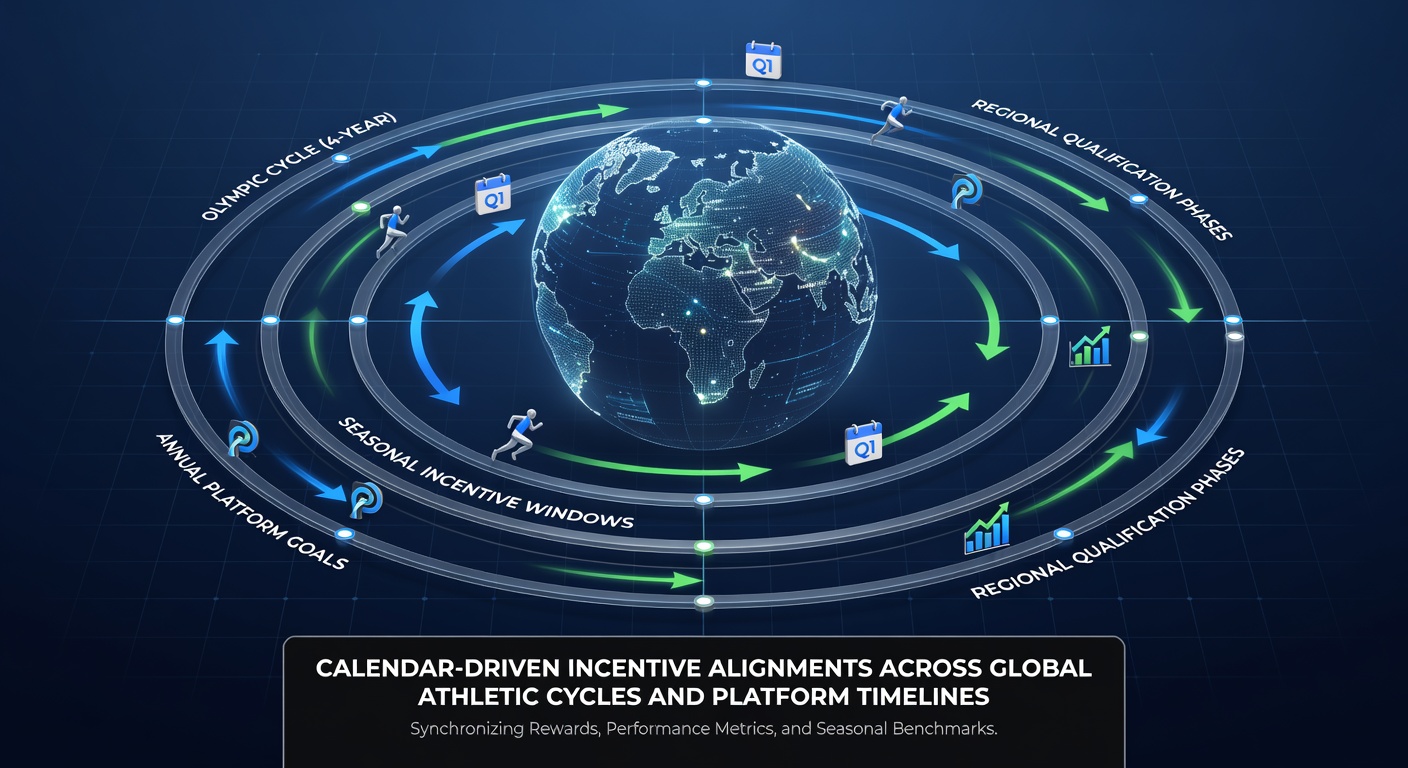
Olympic quadrennials establish the longest rhythm, with summer and winter editions dictating funding cycles for national Olympic committees and international federations. Data from teh International Olympic Committee shows that athlete stipends, national training grants, and equipment budgets receive staged releases tied to qualification deadlines and final selection dates. World Cup cycles in football operate on a four-year cadence as well, yet they overlap with continental tournaments that insert intermediate incentive layers. FIFA distributes portions of its development funds and prize allocations in phases that correspond to preliminary rounds, group stages, and knockout progression.
Annual circuits in tennis, golf, and athletics add shorter, recurring pulses. Grand Slam tournaments and ATP Finals anchor annual bonus structures for players and their support teams, while World Athletics Diamond League meetings trigger appearance fees and ranking points that accumulate toward end-of-season awards. These layered calendars force sports organizations to maintain parallel accounting systems that release resources only when specific milestones on the global timetable are reached.
Platform Timelines and Content Synchronization
Streaming services and traditional broadcasters align original programming, rights acquisitions, and advertising inventory with the same athletic calendars. Rights-holders schedule documentary drops, highlight packages, and live-event coverage to capture elevated search traffic during major tournaments. A study conducted by the Australian Sports Commission found that digital platforms increase sports-related content budgets by an average of 37 percent in the twelve weeks preceding Olympic Games or football World Cups, then reduce those budgets sharply once events conclude.
Platform algorithms further reinforce these alignments by prioritizing live scores, athlete profiles, and archival footage during active competition periods. Subscription services adjust free-trial promotions and tiered pricing experiments to coincide with high-visibility windows, because conversion rates rise when casual viewers seek extended access. European data from the European Broadcasting Union indicates that catch-up viewing of prior events spikes 2.4 times during overlapping tournament weeks, prompting platforms to refresh recommendation engines accordingly.
Convergence Around the 2026 FIFA World Cup
The 2026 FIFA World Cup, hosted across Canada, Mexico, and the United States, illustrates how multiple cycles intersect. Qualification tournaments for confederations began in 2023 and stretch through 2025, creating sustained incentive streams for national associations. FIFA has structured its Club World Cup and expanded Nations League formats to feed into the larger event, generating additional revenue-sharing formulas that activate at each stage. Meanwhile, North American broadcasters and streaming platforms have already announced staggered content calendars that place preview series in spring 2026, live coverage through June and July, and retrospective programming into the following autumn.
Corporate sponsors coordinate activation periods with these same dates. Stadium infrastructure upgrades funded by host cities carry contractual clauses that tie final payments to completion benchmarks ahead of June 2026. Research compiled by the Canadian Ministry of Sport documents that provincial grant programs for youth football academies release tranches of funding only after national teams achieve specific qualification thresholds, ensuring resources align with the global timetable rather than calendar-year budgets.
Cross-Sport Overlaps and Resource Competition
Multiple sports often share calendar real estate, forcing platforms and federations to sequence their incentive releases carefully. The tennis season overlaps with both the athletics Diamond League and parts of the cricket calendar, while basketball and ice hockey occupy similar winter windows. Observers at the Sport and Recreation Alliance have recorded instances where digital platforms delay major tennis documentary releases when football qualifiers dominate search trends, then accelerate those releases once football attention subsides. Such sequencing prevents audience fragmentation and preserves higher engagement metrics for each property.
Athlete contracts increasingly contain clauses that reference multiple calendars simultaneously. Multi-sport athletes and coaches negotiate performance bonuses that vest only when events on different cycles fall within defined proximity, creating combined incentive structures that reward sustained participation across seasons. These contractual mechanisms reflect the reality that calendar density has increased as more sports expand their global footprints.
Conclusion
Calendar-driven alignments operate as structural features of modern sport rather than isolated events. Athletic cycles set teh rhythm for incentive distribution across federations, athletes, and support systems, while platforms synchronize content strategies and monetization windows to those same rhythms. The 2026 FIFA World Cup represents one concentrated example of this ongoing coordination, yet similar patterns repeat across Olympic cycles, annual circuits, and overlapping seasonal calendars. As global sports calendars grow more crowded, the precision of these alignments continues to determine how resources, attention, and revenue move through the ecosystem.